Is salt good or bad?
Biologically speaking, salt (sodium) plays a major role in human health. It not only feeds nutritional mineral elements to our cells, it also dissolves, sanitizes and cleanses toxic wastes from our system. It is this latter function that makes salt such a healing substance. All classic biology textbooks refer to salt as the cleanser of bodily fluids.
Most physiological and biological processes function correctly only when sufficient quantities of sodium are present. For example, the body makes hydrochloric acid from salt. (Hydrochloric acid is one of our essential digestive fluids.) In a healthy person, the quantity of salt retained in the tissues remains constant. Any excess sodium ingested is automatically eliminated through the kidneys. However, if disease is present, this elimination of excess salt is impaired, and excess salt deposits are created; or sudden loss of internal salt can occur.
When stress or infection demand an extra supply of salt, our body reserves are used. Addison's disease, pylorus blockage, ulcers and gastric cancers can create a critical loss of chloride ions and lower the sodium chloride in the digestive system causing a shortage of hydrochloric acid in gastric juices. These losses of chlorine and sodium inhibit the cell's self-cleansing function resulting in the blood becoming loaded with toxins. This, in turn, can act on the nervous system and create a chain reaction of new losses of sodium chloride, which in extreme cases can be fatal.
Salt is also responsible for the balance of acids and bases within the body. When salt enters the body it dissolves into ions (also called electrolytes because they carry electrical current). With this in mind, the water balance role of salt may be easier to understand. Water is a necessary part of all body cells but cells have no way to hold onto water molecules directly. They can only move ions around and water will follow ions. So the cells direct where the ions go, the water follows and this determines where the fluids go.
Why do people think salt is bad?
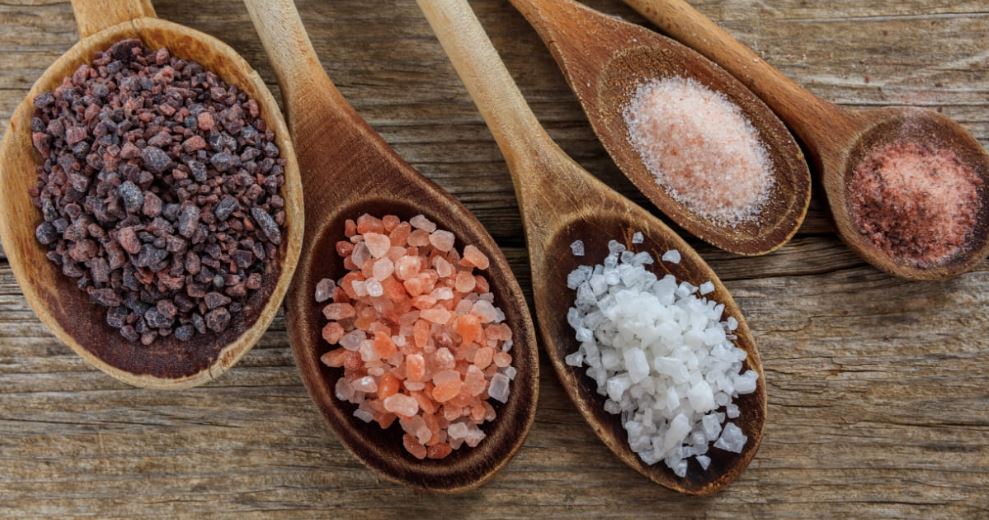
The problem with salt is not the salt itself, but the condition of the salt. In the 1940s the major salt producers in the USA began to dry salt at very high temperatures. This changed the chemical structure of the salt. These changes affect the human body adversely. In order to make salt whiter, dryer and easier to pour they removed the minerals and other nutrients so that what was left was pure white sodium. Sodium is only one chemical found in salt but it is what we buy in our supermarkets and what we erroneously call salt.
Modern scientists have studied the effect of sodium and salt on the human body. It is now widely known that certain substances increase our appetite. Salt is one of the most powerful. The reason for this lies in the part of our brain called the appestat. The appestat constantly monitors the nutrient content of our blood and only when 51 specific nutrients are present at their proper levels will we feel full. Food scientists have found that by adding or subtracting some of these nutrients, they can manipulate our sense of hunger and satiety. While some of this research is still incomplete, it is believed that adding excess fat, sugar and salt to a food tends to make people overeat. To simplify, if we eat a partial food or in the case of salt, a chemical, our brains tell us to keep eating until the correct number of nutrients are present in the blood. Have you ever wondered why you can't eat just one potato chip?
Salt that will not dissolve has a tendency to collect in body organs. Use this test to determine if salt has been processed. Mix a spoonful of salt in a glass of water and let stand overnight. If the salt collects on the bottom of the glass, it has been processed. Natural salt will dissolve.
Log in to read the rest of this article addressing the related topics below:
- The Function of Salt
- Sodium
- Chlorine
- Calcium
- Magnesium
- Sulfur
- Silicon
- Iodine
- Bromine
- Phosphorus
- Vanadium
- Where in the world can we find good salt?