What is pH?
Technically speaking, pH stands for the Power of Hydrogen. Broken down to the simplest form, our bodies are composed of carbon, oxygen and hydrogen. The pH measures the action of hydrogen and the balance of acidity and alkalinity in the living system.
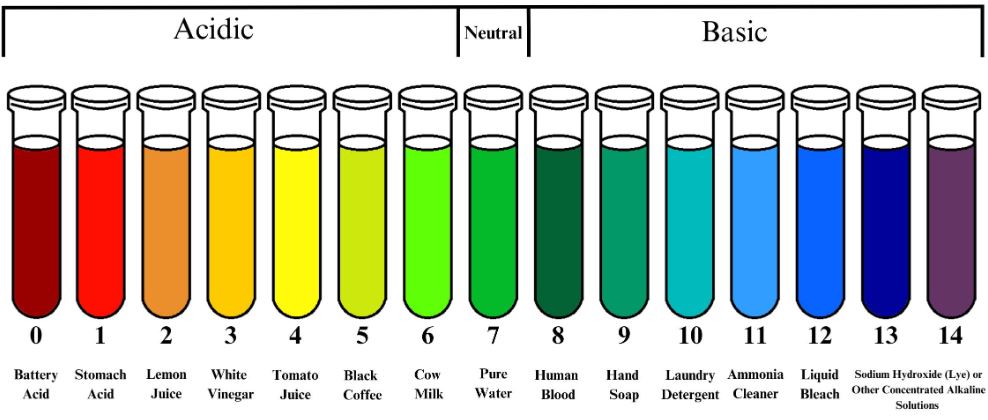
When testing pH, the result is a number from 0 to 14. Neutral is 7 with lower numbers representing an acidic condition and higher representing an alkaline condition. Our bodies are alkaline by design but acid by function. All of the cells that make up the body are slightly alkaline and must stay that way to remain healthy and alive. The optimum range of pH is from 7.2 to 7.6, slightly alkaline.
You can test your pH with litmus paper available in many drug stores simply by wetting the paper with your saliva and matching the color of the paper to a chart.
The Importance of Hydrogen
Do you remember learning about Hydrogen in your high school chemistry class? You may remember that it is the smallest Critical Element and is capable of passing through the cell wall. In order for our cells to function they must communicate with each other through electrons but electrons can not move in the body without hydrogen. Cells must have oxygen but oxygen does not work without hydrogen. Cells cannot multiply or grow without hydrogen. The very fabric of our being, our DNA, is held together by Hydrogen bonds. Hydrogen is literally the fuel of life.
When we are born we have plenty of Hydrogen but as we age our Hydrogen pool becomes depleted. When this occurs, free radicals steel it from essential areas thus accelerating aging and disease. It is now accepted that the aging process and virtually all disease is the result of free radical damage to the cells.
What Does This Mean?
The pH measures the condition of our critical bodily fluids (blood, saliva and urine). These fluids make up our internal environment that is critical to our health. Simply stated, an acid system is conducive to sickness while alkalinity is required for normal healthy cellular function. A saliva pH below neutral (7.0) is a warning sign that your body is acidifying and moving away from health toward degenerative disease and rapid aging.
Why is it so Difficult to Maintain a Healthy pH?
Our bodies are in a constant state of metabolization. The problem is that the process of metabolism creates acid, which is needed for energy and other biochemical processes. Normal healthy metabolism creates acid wastes such as cholesterol, uric acid and acetic acid. Even with the best diet these acid wastes are unavoidable but they must be neutralized and eliminated from the body or harsh consequences will result.
To further compound the problem, our food, water and air are loaded with acid forming substances like chlorine and an increasing assortment of chemicals. Soft drinks, especially COLAs (pH 2.5), are extremely acid forming and are the mainstay of our children's diets. Poor choices of foods, acidic ingredients and low mineral content all contribute to a condition of acid overload.
Maintaining a proper, slightly alkaline, pH is considered the most important aspect of a healthy body and a long disease-free life. An imbalance of alkalinity creates a condition favorable to the growth of bacteria, viruses, yeast and other harmful organisms--even Cancer.
Accumulation of acid wastes are also closely linked with degenerative disease, lack of vitality and aging in general. Even when there is no toxic substances in our food, there are waste products that must either be eliminated or stored. Toxins change into poison and must be detoxified or they will eventually destroy the system.
Our Bodies Defense Systems
The human body has an incredible ability to maintain life, however the compensations our bodies are forced to make come with a price. As the damage accumulates over a period of years we may experience no obvious ill effects but eventually the bill comes due and we pay the price.
Having an acidic pH is like driving your car with the oil light on. The car will continue to run without any apparent problem but eventually it will simply stop. To maintain life our blood and cells must be defended against all of this acidity. Should we become too acidic, we would die.
Calcium and magnesium are two key alkalizing minerals. Fortunately we have what amounts to an alkaline mineral bank in our bones and teeth. To buffer the acid overload the body will make withdrawals from this bank account. While this is effective in the short term, in the long run we see bones becoming more brittle with age and in extreme cases it results in osteoporosis.
Another way the body raises blood pH is to solidify acids and deposit them in the tissues. This enables our blood to remain in an acceptable pH range but as these harmful byproducts accumulate, overall pH goes lower, oxygen levels fall, and the seeds of a variety of degenerative diseases are sowed.
This process of gradually depleting minerals from the bones an building up acidic deposits in body tissues is a slow one. For many years we have no symptoms, no clue as to the storm that is building. Eventually we begin to experience aches and pains, declining energy levels, and other subtle signs that we associate with getting older.
These are not an inevitable part of getting older. They are warning signs. Heart and circulatory disease, blood sugar disorders, fibromyalgia and chronic fatigue (even cancer) are all directly associated with an acid pH.
Log in to read the rest of this article addressing the related topics below:
- What is the Aging Process?
- The Cause of Aging
- How Health Conditions Link to pH
- Osteoporosis
- Cardiovascular Disease
- Arthritis
- Immune Functio
- Vitality
- The Solution
- Acid-Forming Foods
- Alkalizing Foods
- How to Increase pH
- How to Use Megahydrate
- How Fast can I Change my pH